
Food Guide

Korean Seafood: From Jagalchi Market to Raw Fish Platters

Korea is a peninsula surrounded by sea — fresh seafood is everywhere. Busan's Jagalchi Market and Jeju's haenyeo cuisine offer the freshest catches in Asia.

Korean Seafood: From Jagalchi Market to Raw Fish Platters 1
Korean Seafood: From Jagalchi Market to Raw Fish Platters 2
Korean Seafood: From Jagalchi Market to Raw Fish Platters 3
1 / 3
seafoodjagalchiraw-fishfish-marketbusan-seafood
Quick Facts

What You Need to Know

🌡️
Best Season
Year-round
All seasons
💰
Price Range
₩8,000–30,000
per person
📍
Origin
Busan
Overview

What Is It?

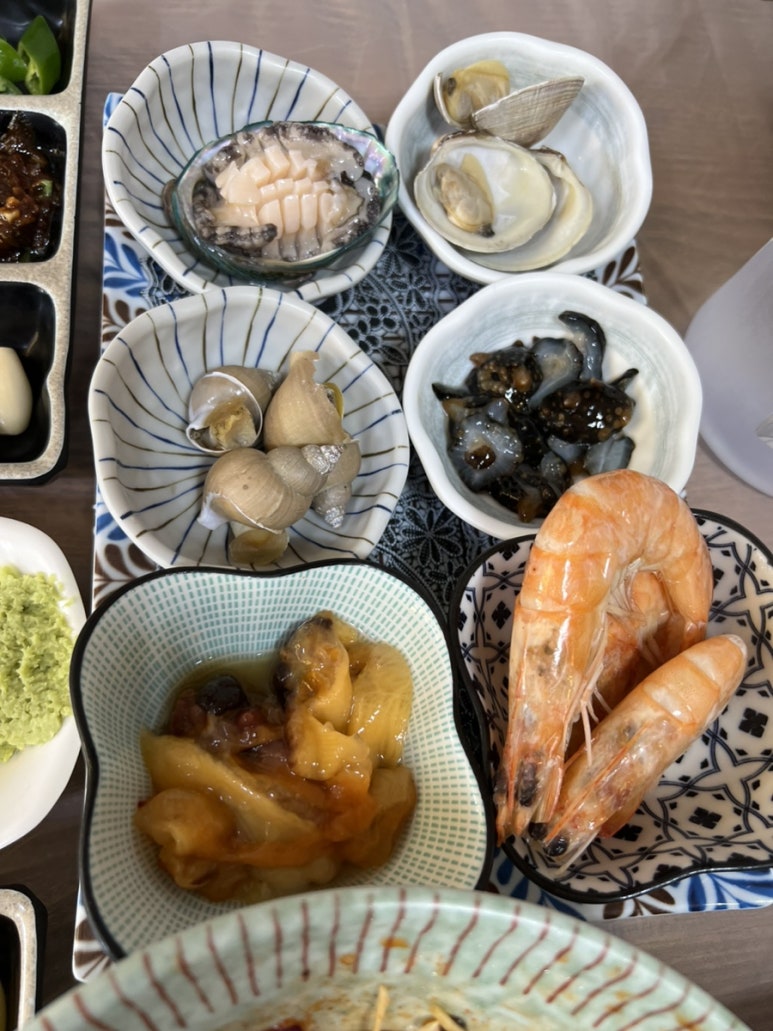
Korea's three coastlines produce an astonishing variety of seafood. From the spicy haemul-tang stew to the delicate raw fish platters (hoe), seafood is deeply woven into Korean food culture.

Raw Fish (Hoe, 회)

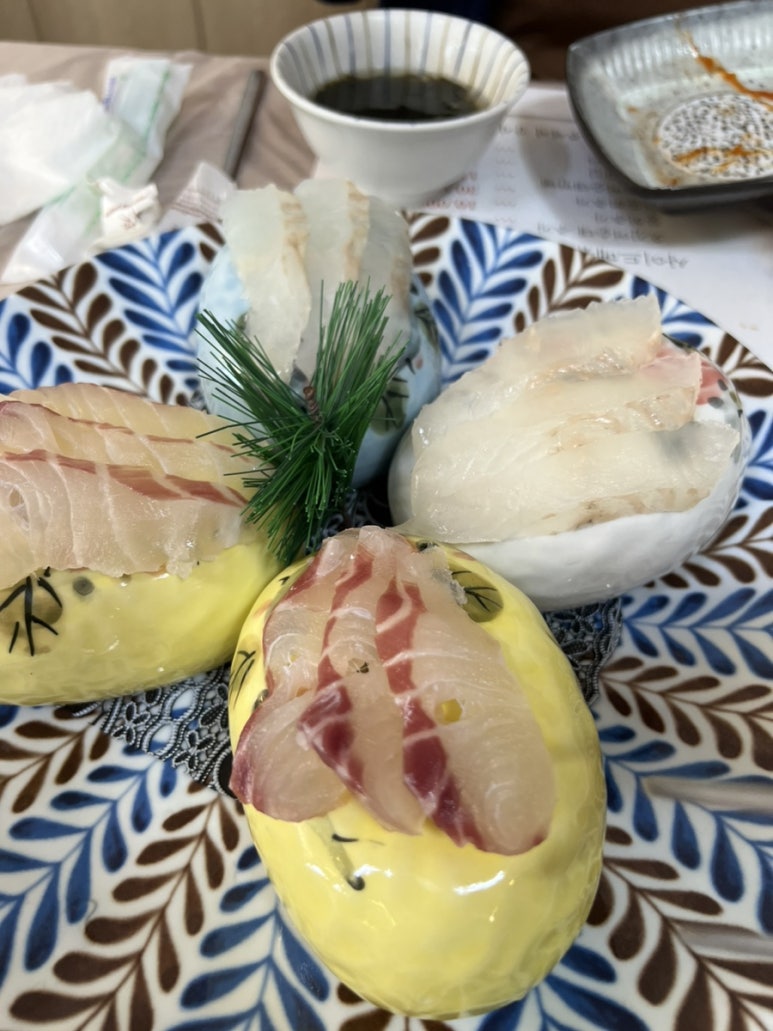
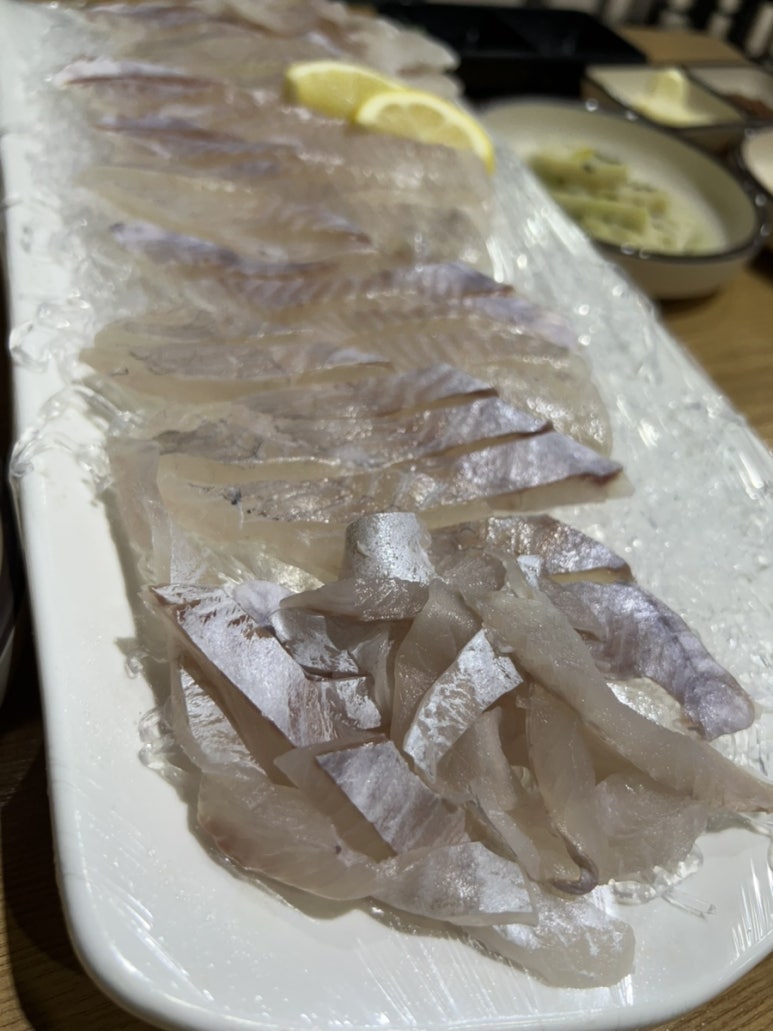
Hoe is Korean-style sashimi, often eaten dipped in cho-gochujang (red pepper vinegar sauce) or wrapped in perilla with garlic. Flounder (광어) and sea bass (우럭) are the most popular choices. Portions are generous and prices are set by the gram at fish markets.

Must-Try Seafood Dishes

  • Haemul Pajeon (해물파전) — seafood and green onion pancake
  • Nakji Bokkeum (낙지볶음) — stir-fried spicy octopus
  • Ganjang Gejang (간장게장) — raw crab marinated in soy sauce, "rice thief"
  • Galchi Jorim (갈치조림) — braised hairtail fish, Jeju specialty
  • Eomuk (어묵) — fish cake skewers, the king of street food

Where to Go

Jagalchi Market in Busan is Korea's largest fish market — point at live fish and they'll slice it tableside. Noryangjin in Seoul is the capital's midnight seafood hub.

Season

Autumn (Sep–Nov) is peak season for crab and oysters. Spring brings fresh sea squirt (meongge). Summer is best for jellyfish and cold raw fish.
📖 Brief History

Korean seafood ranges from hoe (회, raw fish platters) to haemul pajeon (seafood pancakes) and grilled shellfish, deeply connected to Korea's coastal culture.

As a peninsula surrounded by sea on three sides, Korea has a seafood tradition stretching back thousands of years. Coastal communities have long relied on fishing, and raw fish consumption (hoe) has been practiced since ancient times. Major fish markets like Busan's Jagalchi Market and Seoul's Noryangjin have operated for decades, becoming cultural landmarks. The tradition of eating raw fish in Korea is distinct from Japanese sashimi — Korean hoe is typically served with a spicy chogochujang dipping sauce, wrapped in lettuce with garlic and chili. Grilled shellfish became a popular seaside dining experience in the 1980s–1990s as coastal tourism grew.

Koreans enjoy seafood year-round, but certain dishes are tied to seasons: raw oysters in winter, grilled clams and abalone in spring, and nakji (octopus) and squid in summer. Seafood restaurants along the coast are popular weekend destinations. In cities, fish markets where you buy live fish and have it prepared upstairs are a favorite group dining experience, especially for special occasions.

At a Korean seafood restaurant, you may choose your fish live from a tank. It is sliced into hoe and served on a platter with perilla leaves, raw garlic, green chili, and chogochujang sauce. You wrap a slice of fish in a leaf with the condiments. Grilled shellfish (jogae gui) is cooked on a tabletop grill and eaten as each piece opens. Seafood meals often end with a spicy fish stew (maeuntang) made from the leftover bones and head, served with rice.

Where to Eat

Recommended Restaurants

Related Guides