Food Guide

Bulgogi: Korea's Most Famous Marinated Beef Dish

Bulgogi — fire meat — is Korea's most iconic dish: thin slices of beef marinated in soy, sesame, pear, and garlic, then grilled or stir-fried to perfection.

Bulgogi: Korea's Most Famous Marinated Beef Dish
bulgogikorean-marinated-beefhanwookorean-beeffirst-time-korea
Quick Facts

What You Need to Know

🌡️
Best Season
Year-round
All seasons
💰
Price Range
₩8,000–30,000
per person
📍
Origin
Seoul
Overview

What Is It?

Bulgogi (불고기, literally "fire meat") has been eaten in Korea for over 2,000 years. Originally a royal court dish, it's now found everywhere from street stalls to Michelin-starred restaurants.

The Marinade

The classic bulgogi marinade combines soy sauce, sesame oil, sugar, garlic, ginger, and Asian pear. The pear enzymes tenderise the meat and add natural sweetness. Marinating overnight gives the deepest flavour.

Types of Bulgogi

  • Classic Bulgogi — thin sliced beef sirloin or rib-eye, grilled on a dome pan
  • Daepa Bulgogi — cooked with green onions in a broth, more like a stew
  • Chicken Bulgogi (닭불고기) — same marinade, great budget option
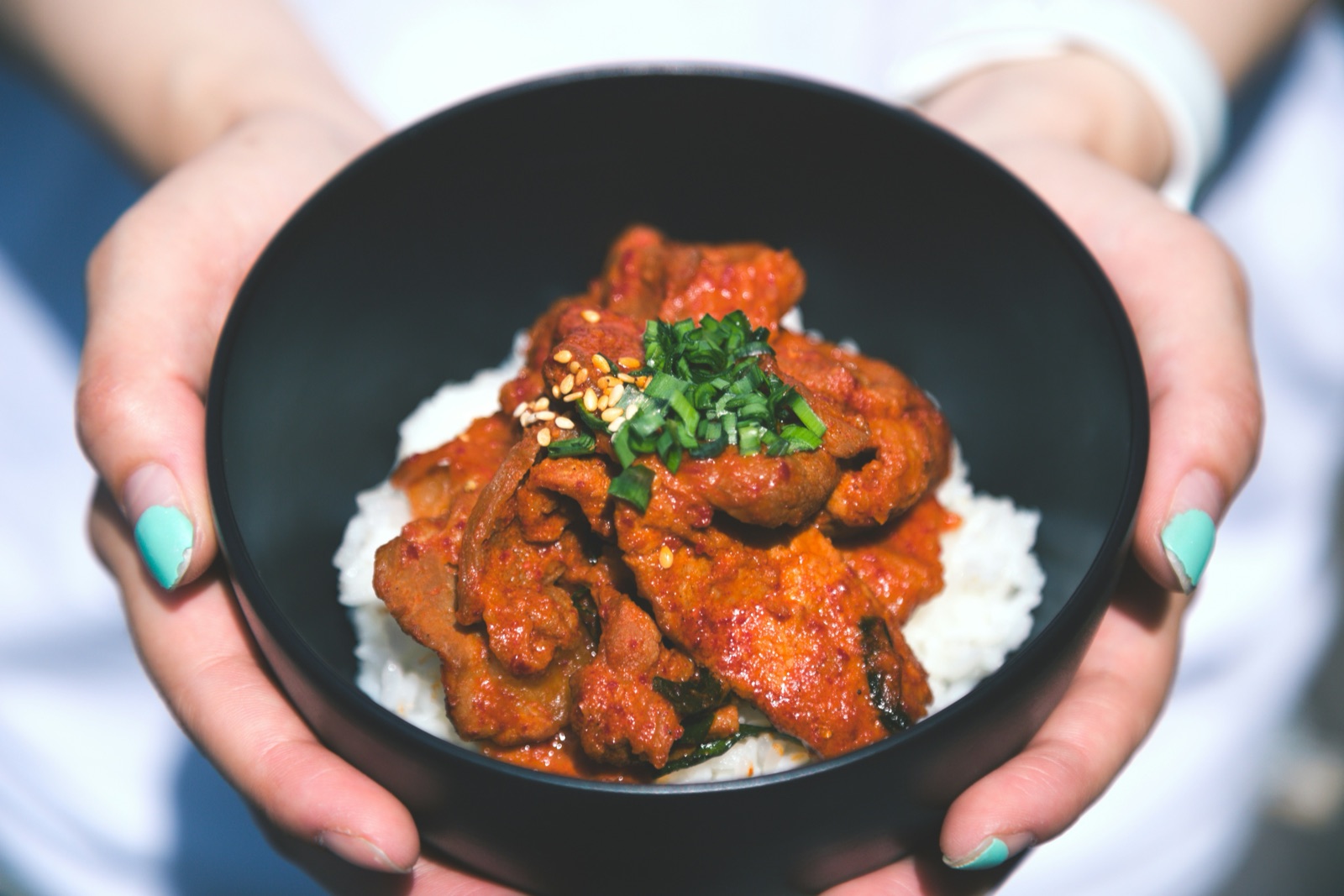
  • Pork Bulgogi (제육볶음) — spicy gochujang version, stir-fried

How to Eat

Serve over steamed rice, wrap in lettuce with kimchi, or stuff into a ssambap rice ball. The broth left in the pan is perfect for mixing into rice at the end.

Price Range

A quality bulgogi set meal runs ₩12,000–25,000. Premium hanwoo beef versions can reach ₩50,000+.
📖 Brief History

Bulgogi (불고기, literally "fire meat") refers to thinly sliced beef marinated in a sweet soy-based sauce and grilled or pan-cooked at the table. It is one of the most recognized Korean dishes worldwide.

Grilling marinated meat has roots in ancient Korean cuisine dating back to the Goguryeo dynasty (37 BC – 668 AD), where a dish called maekjeok (맥적) was prepared using skewered, seasoned meat over open flames. Over centuries, the technique evolved through the Joseon dynasty (1392–1897), when the dish was known as neobiani (너비아니) — thin, broad slices of beef seasoned with soy sauce and sesame oil. This refined version was a favorite at royal banquets. After the Korean War, bulgogi became widely accessible as the economy recovered and beef became more affordable in the 1960s and 1970s. The modern style of grilling thin beef slices on a dome-shaped pan at the table became standard during this period.

Koreans eat bulgogi year-round, but it is especially popular for family meals, celebrations, and dining out with friends. It is one of the first Korean foods that visitors encounter and remains a go-to choice for introducing someone to Korean cuisine.

The classic way to eat bulgogi is to grill the marinated slices on a tabletop grill or dome pan, then wrap the cooked meat in fresh lettuce or perilla leaves along with a dab of ssamjang (a thick bean-chili paste), a slice of raw garlic, and sometimes a piece of green chili pepper. Many Koreans also enjoy mixing the leftover sweet broth from the pan into a bowl of steamed rice at the end of the meal.

Where to Eat

Restaurants You Might Like

Related Guides