Food Guide

Halal Food in Korea: A Complete Guide for Muslim Visitors

Finding halal food in Korea is easier than you think. Seoul's Itaewon neighbourhood has a certified halal strip, and halal options are growing nationwide.

Halal Food in Korea: A Complete Guide for Muslim Visitors 1
Halal Food in Korea: A Complete Guide for Muslim Visitors 2
1 / 2
halalitaewonmuslim-friendlycertified-halalfirst-time-korea
Quick Facts

What You Need to Know

🌑️
Best Season
Year-round
All seasons
πŸ’°
Price Range
β‚©8,000–30,000
per person
πŸ“
Origin
Seoul
Overview

What Is It?

Seoul has a thriving halal food scene, centred in Itaewon around the Seoul Central Mosque. Certified halal restaurants, Muslim-friendly cafes, and halal-marked convenience store products make visiting Korea comfortable for Muslim travellers.

Itaewon Halal Street

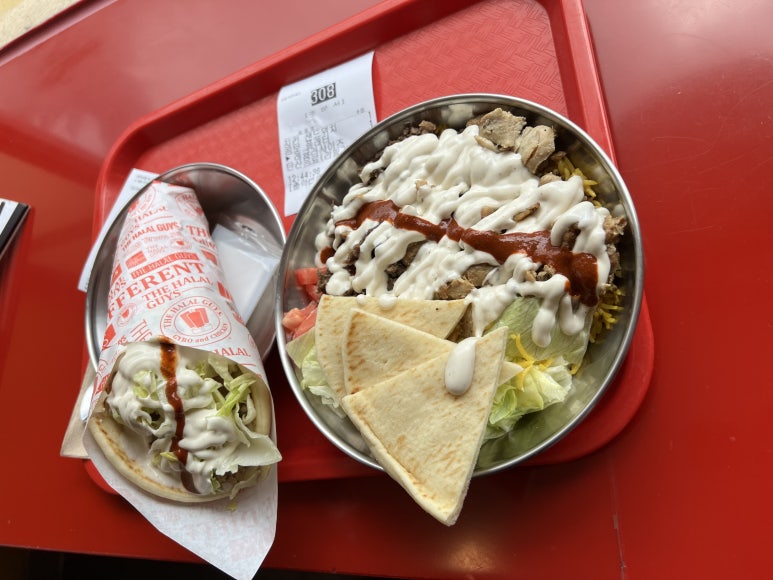
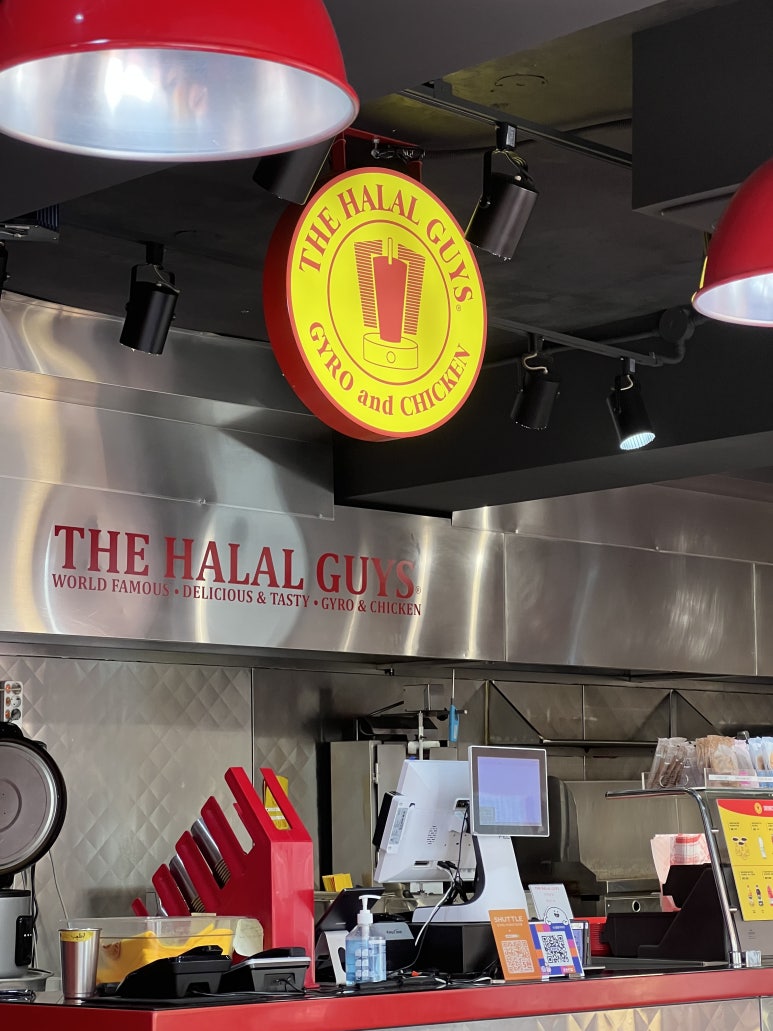
The block near Itaewon Station Exit 3, leading up to the Seoul Central Mosque, is lined with certified halal restaurants. Cuisines range from Turkish kebabs and Pakistani curry to halal Korean BBQ and Middle Eastern shawarma.

Certified Halal Korean Food

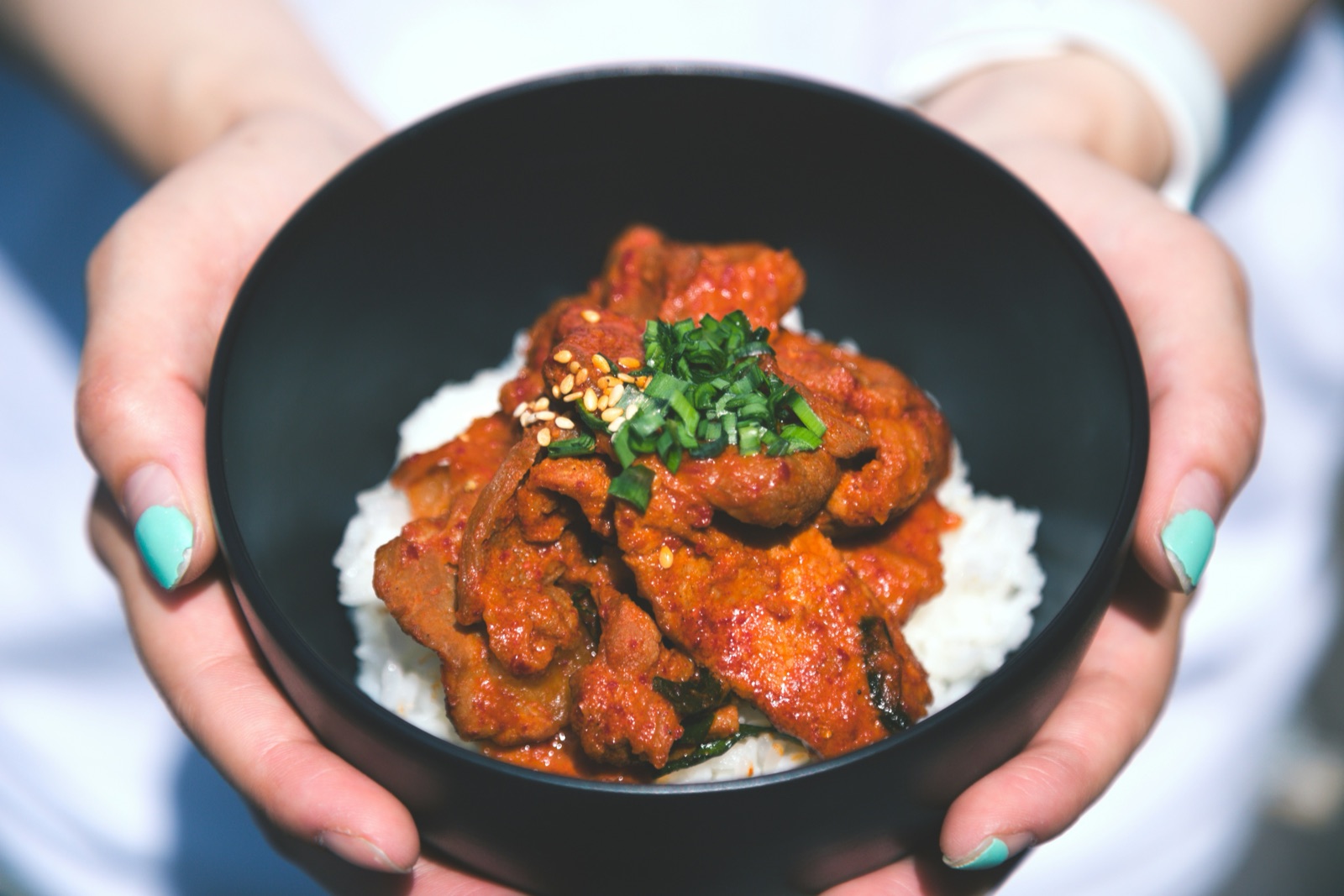
  • Halal Galbi β€” beef short ribs from certified butchers
  • Halal Chimaek β€” fried chicken cooked in separate oil
  • Bibimbap & Doenjang Jjigae β€” often vegetarian-friendly
  • Korean Ramyeon β€” Ottogi and Paldo make halal-certified instant noodles

Muslim-Friendly Tips

Look for the Korean Halal Association (KHA) sticker on restaurant windows. Apps like HalalTrip and Zabihah list certified spots. Many Korean dishes use pork-based stock β€” always ask when uncertain.

Prayer Facilities

Seoul Central Mosque in Itaewon is the largest mosque in Korea. Prayer rooms are also available at Incheon Airport and several shopping malls.
πŸ“– Brief History

Halal food in Korea caters to the growing number of Muslim visitors, with certified restaurants, prayer rooms, and halal-friendly neighborhoods now available in major cities.

Historically, Korea had very little Muslim population, and halal food was virtually unavailable. The halal dining scene began to develop in the 2000s as tourism from Southeast Asia and the Middle East increased significantly. The Itaewon neighborhood in Seoul, home to Korea's Central Mosque built in 1976, became the first hub for halal restaurants. In the 2010s, the Korea Tourism Organization (KTO) actively promoted halal dining options, and the number of halal-certified and Muslim-friendly restaurants expanded beyond Itaewon to areas like Myeongdong, Hongdae, and Busan. Today, apps and guides help Muslim travelers find certified halal restaurants serving both Korean and international cuisine.

Muslim visitors typically seek halal options for all meals. Breakfast can be challenging outside of halal-concentrated areas, but many hotels now offer halal-friendly options. Lunch and dinner at halal-certified Korean restaurants offer dishes like bibimbap, bulgogi, and fried chicken prepared according to halal standards. Convenience stores carry some halal-friendly snacks, though selection is limited.

When dining halal in Korea, look for the official halal certification logo or "Muslim-friendly" designation. Many halal restaurants in Itaewon and Myeongdong have Arabic and English menus. Korean dishes at halal restaurants taste authentic β€” the main difference is the use of halal-certified meat and the absence of alcohol-based ingredients. It is helpful to carry a halal dietary card in Korean to communicate your needs at non-certified restaurants.

Where to Eat

Restaurants You Might Like

Related Guides