Food Guide

Korean BBQ: The Complete Guide for First-Timers

Everything you need to know about Korean BBQ — from how to order and grill at the table to the best cuts and dipping sauces.

Korean BBQ: The Complete Guide for First-Timers 1
Korean BBQ: The Complete Guide for First-Timers 2
Korean BBQ: The Complete Guide for First-Timers 3
1 / 3
korean-bbqpork-bellygalbigrillseoul-food-tour
Quick Facts

What You Need to Know

🌡️
Best Season
Year-round
All seasons
💰
Price Range
₩8,000–30,000
per person
📍
Origin
Seoul
Overview

What Is It?

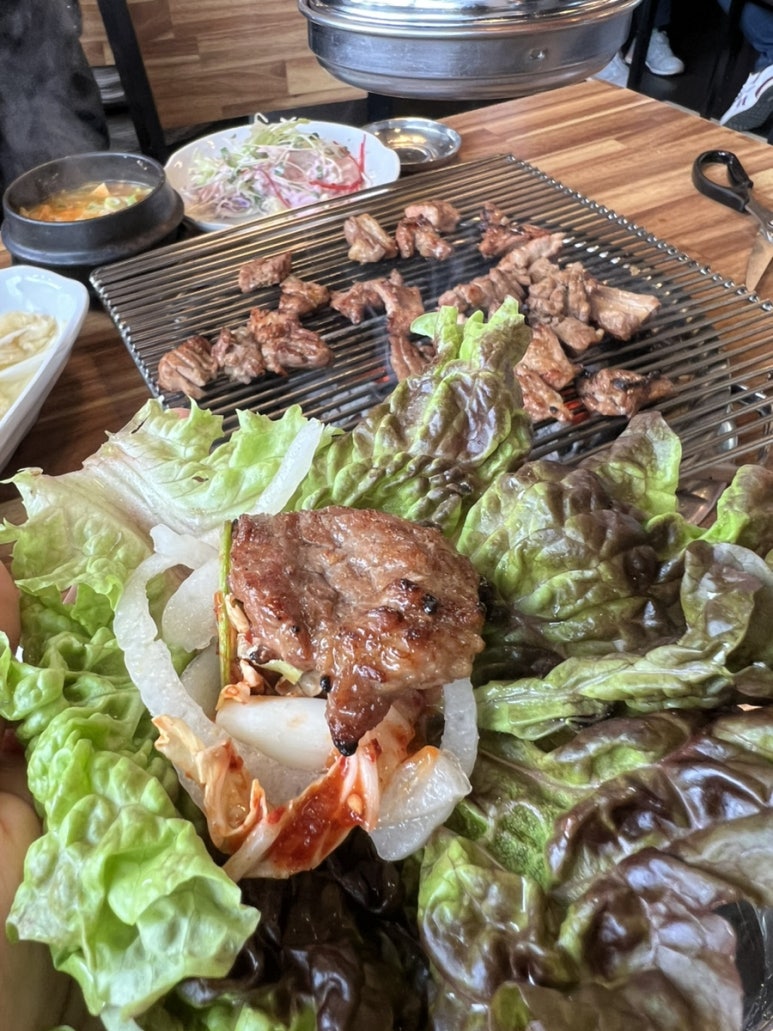
Korean BBQ (gogi-gui, 고기구이) is more than a meal — it's a shared social ritual. You sit around a built-in charcoal or gas grill, cook meat at your own pace, and wrap bites in lettuce leaves with garlic, kimchi, and ssamjang paste.

Must-Try Cuts

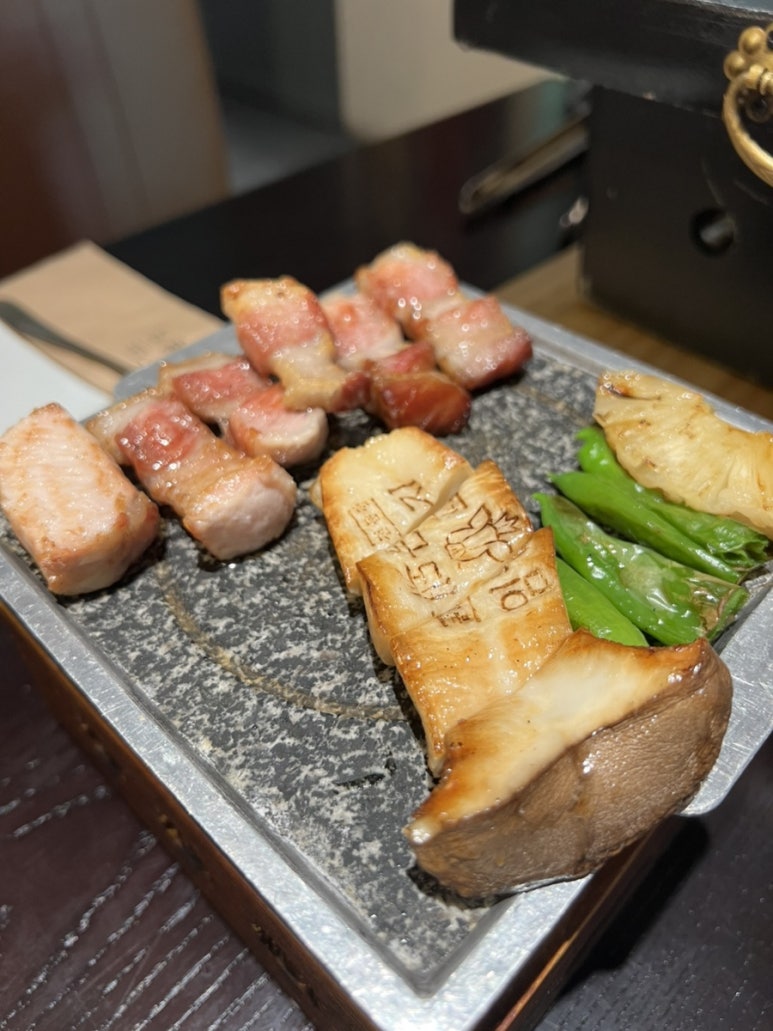
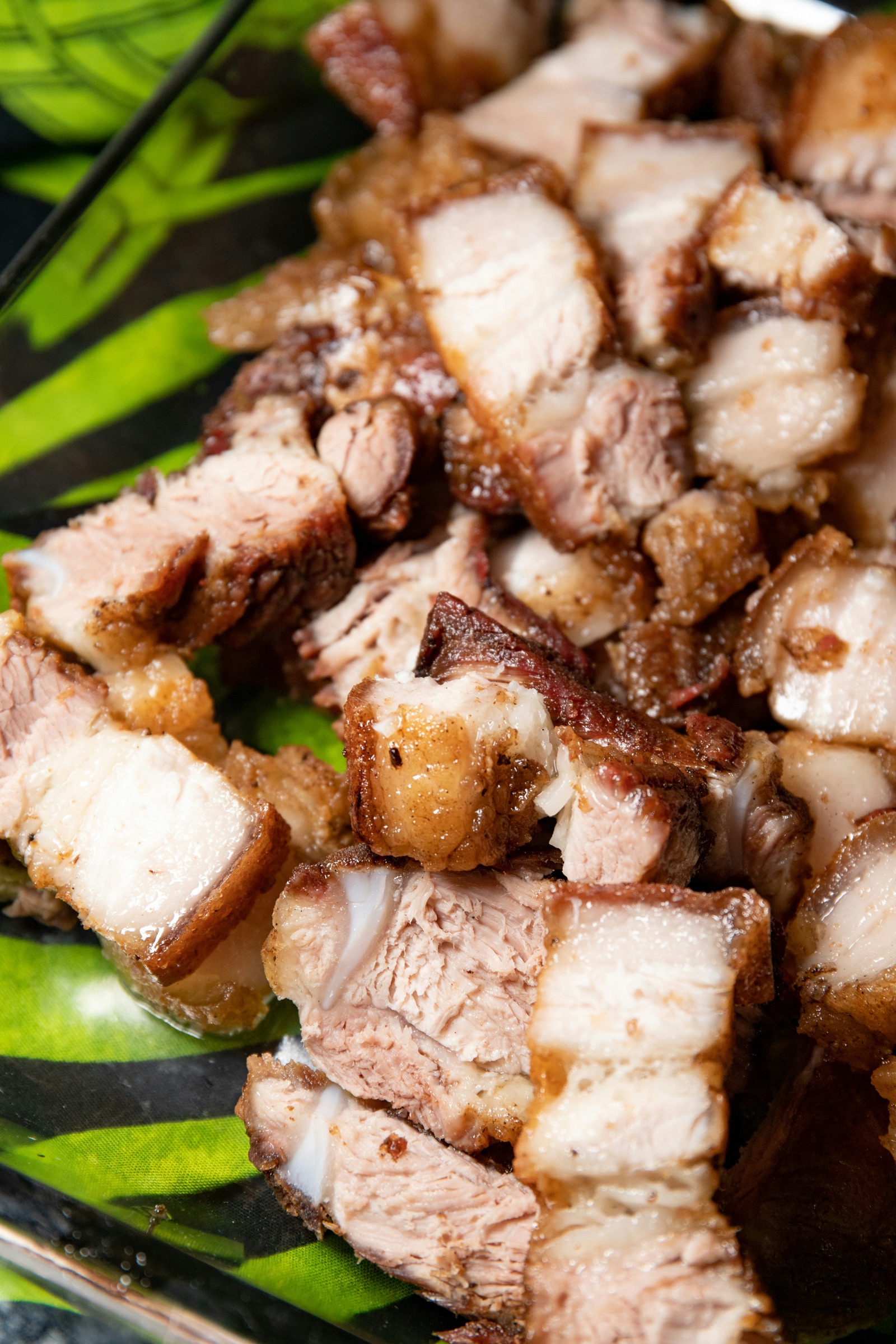
  • Samgyeopsal (삼겹살) — thick-cut pork belly, the crowd favourite
  • Galbi (갈비) — marinated beef short ribs, sweet and caramelised
  • Chadolbaegi (차돌박이) — paper-thin brisket slices that cook in seconds
  • Yangnyeom Galbi (양념갈비) — soy-garlic marinated ribs

How to Eat

Dip cooked meat in sesame oil + salt, wrap in perilla or lettuce leaves, add a sliver of raw garlic and a dab of ssamjang. Eat in one bite.

Side Dishes (Banchan)

Every table gets free refills of banchan: kimchi, pickled radish, bean sprouts, and more. Ask for refills anytime — it's always free.

Pairing

Wash it down with ice-cold hite beer or a round of soju. The classic Korean BBQ drink order is a somaek — soju bomb dropped into beer.
📖 Brief History

Korean BBQ (고기구이) refers to the tradition of grilling meat — usually beef or pork — at a built-in tabletop grill in a restaurant, surrounded by an array of side dishes.

The practice of grilling meat in Korea traces back over a thousand years. During the Goguryeo dynasty, warriors grilled marinated meats called maekjeok over open fires. The tradition continued through the Goryeo and Joseon dynasties, with beef dishes reserved for royalty and the upper class. After the Korean War and through the 1960s–1980s economic boom, beef and pork became more accessible to the general public. The modern Korean BBQ restaurant format — with gas or charcoal grills built into the table, exhaust hoods overhead, and a spread of banchan — became widespread in the 1980s and 1990s as dining-out culture exploded across South Korea.

Koreans typically enjoy BBQ in the evening as a social activity. It is a centerpiece of company dinners (회식), friend gatherings, and celebrations. The communal aspect of sharing a grill, taking turns cooking, and wrapping meat together is central to the experience. Weekend family outings to a BBQ restaurant are also common.

At a Korean BBQ restaurant, raw meat is brought to your table and cooked on the grill by you and your companions. Once the meat is ready, it is cut into bite-sized pieces using scissors. You then wrap the pieces in lettuce or perilla leaves with garlic, green chili, ssamjang, and sometimes grilled kimchi. The meal is accompanied by a wide array of complimentary side dishes (banchan), and it is customary to order soju or beer alongside the meat.

Where to Eat

Restaurants You Might Like

Related Guides