Food Guide

Seoul Cafe Culture: A Guide to Korea's Coffee Obsession

South Korea has one of the world's highest cafe densities. Seoul's specialty coffee scene, unique theme cafes, and dessert-forward menus are a must for any visitor.

Seoul Cafe Culture: A Guide to Korea's Coffee Obsession 1
Seoul Cafe Culture: A Guide to Korea's Coffee Obsession 2
Seoul Cafe Culture: A Guide to Korea's Coffee Obsession 3
1 / 3
cafespecialty-coffeeaesthetic-cafedalgona-coffeedessert
Quick Facts

What You Need to Know

🌑️
Best Season
Year-round
All seasons
πŸ’°
Price Range
β‚©8,000–30,000
per person
πŸ“
Origin
Seoul
Overview

What Is It?

South Korea has the highest cafe density per capita in the world β€” Seoul alone has over 18,000 cafes. Coffee culture here is a full lifestyle, not just a caffeine fix.

Types of Cafes

  • Specialty Coffee Shops β€” single-origin beans, latte art competitions, pour-over bars
  • Theme Cafes β€” cat cafes, dog cafes, raccoon cafes, and even sheep cafes
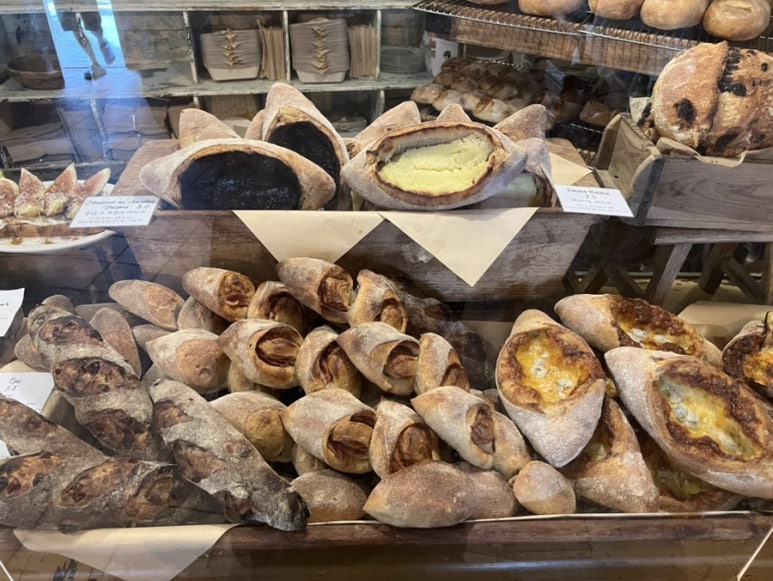
  • Dessert Cafes β€” bingsu (shaved ice), mochi waffles, cloud cake
  • Mega Chains β€” Ediya, Mega Coffee, Paik's Coffee (all under β‚©3,000)

Must-Try Drinks

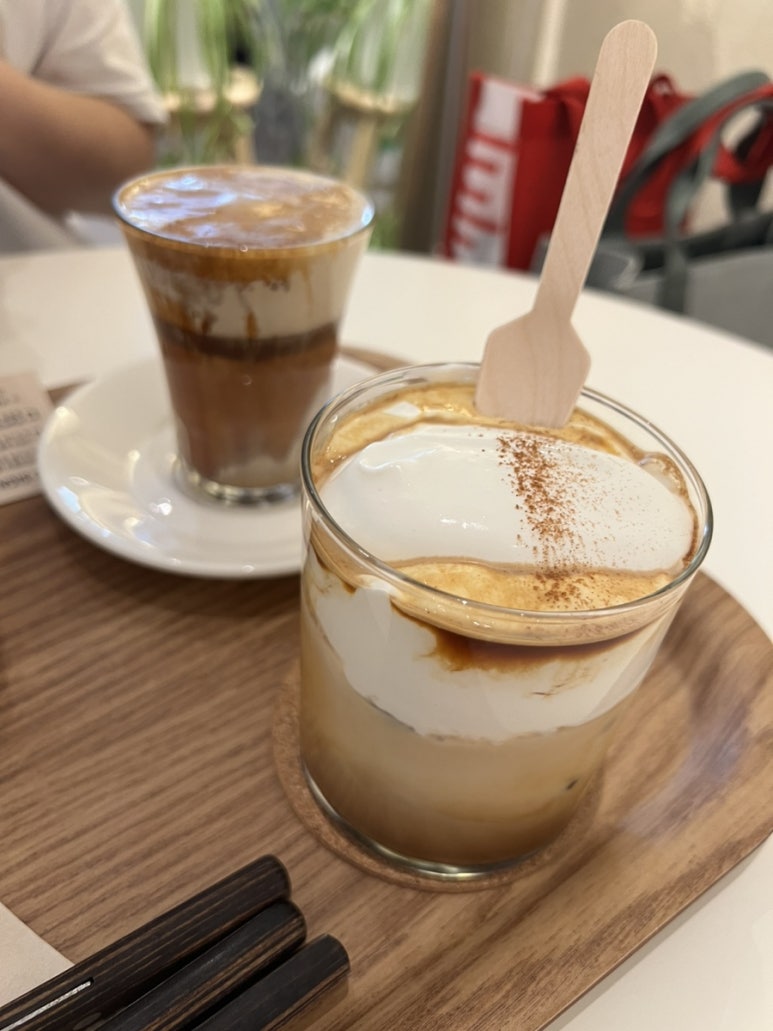
Dalgona Coffee β€” the viral whipped coffee that took over TikTok. Sikhye Latte β€” traditional rice punch blended with espresso. Omija Ade β€” five-flavour berry fizz, uniquely Korean.

Cafe Districts

Seongsu-dong is Seoul's design cafe mecca. Insadong has traditional hanok cafes. Garosu-gil in Gangnam is lined with photogenic coffee shops.

Etiquette

Taking photos is welcome and encouraged. Many cafes have "no kids" policies after 6pm. Plugs and WiFi are standard.
πŸ“– Brief History

Seoul's cafe culture is one of the most developed in the world, with thousands of specialty cafes offering everything from hand-drip coffee to elaborate desserts in beautifully designed spaces.

Coffee was introduced to Korea in the late 19th century through Western missionaries and diplomats. However, the modern cafe culture began in the late 1990s with the arrival of Starbucks in 1999, which sparked a nationwide coffee craze. Through the 2000s, Korean-owned franchise chains like A Twosome Place, Caffe Bene, and Ediya rapidly expanded. The real revolution came in the 2010s when independent specialty coffee shops and themed cafes exploded across Seoul. Today, South Korea is one of the world's largest coffee-consuming nations, and Seoul has more cafes per capita than almost any city on earth.

Koreans visit cafes throughout the day, but peak hours are afternoon (2–5 PM) for coffee and desserts after lunch, and evening for late-night study sessions. Cafes serve as social gathering spots, remote offices, study halls, and date locations. It is extremely common for Koreans to visit multiple cafes in a single day β€” a practice called "cafe hopping."

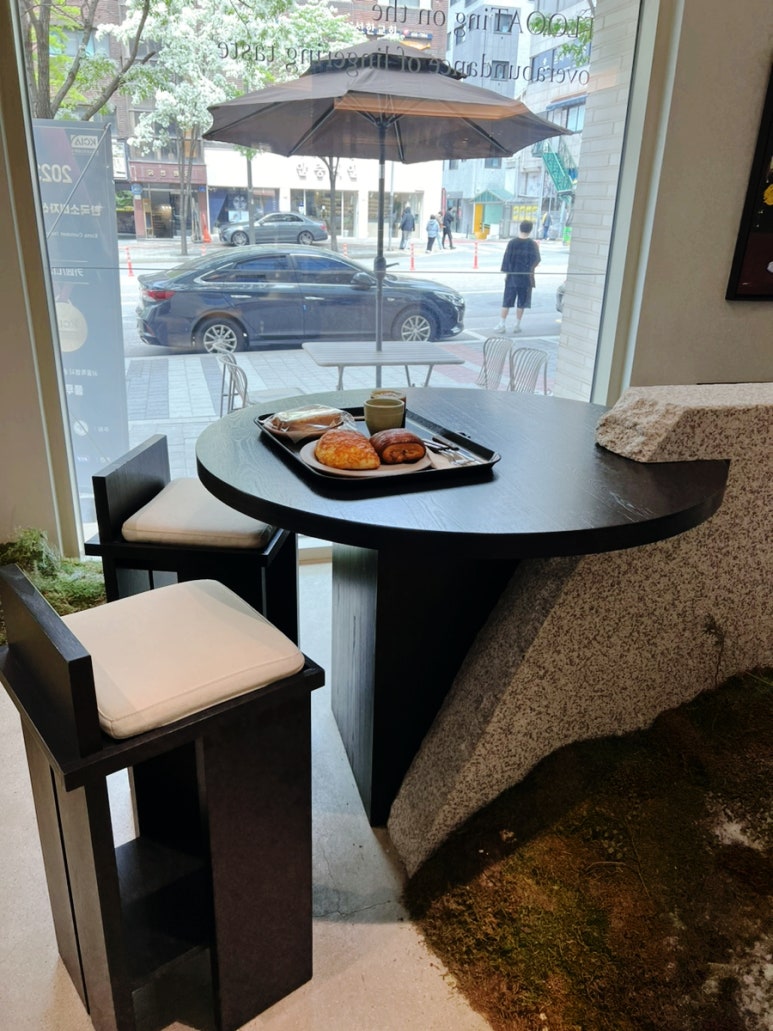
Korean cafes emphasize atmosphere as much as beverages. Many feature themed interiors, rooftop terraces, or floor-to-ceiling windows. Ordering is typically done at a counter, and you receive a buzzer. Signature drinks often include creative beverages beyond standard coffee β€” einspanner, tiramisu lattes, or fruit-based drinks. Desserts like bingsu (shaved ice), croffle (croissant-waffle), and souffle pancakes are popular pairings. Staying for hours with a single drink is perfectly acceptable and expected.

Where to Eat

Restaurants You Might Like

Related Guides